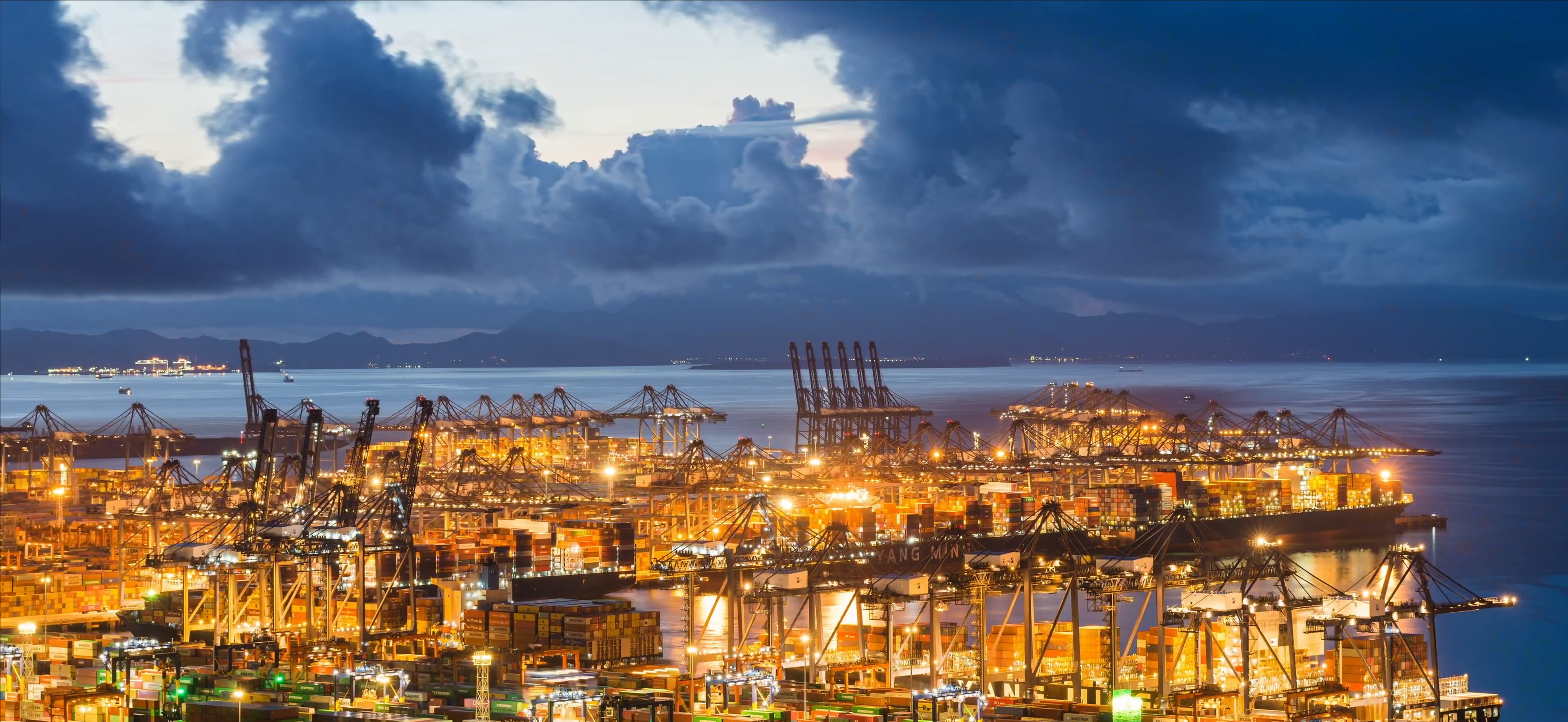
Global shipping can be both fast and reliable when supported by regional warehouses, optimized logistics routes, and accurate lead-time planning. In the desktop fabrication industry, manufacturers like Twotrees combine overseas inventory with factory-direct dispatch to ensure door-to-door delivery across the USA and Europe, reducing delays and improving project predictability.
What Is Global Shipping Fast Delivery in Desktop Fabrication?
Global shipping fast delivery refers to logistics systems that minimize transit time through regional warehouses, optimized freight routes, and customs pre-clearance, ensuring rapid and predictable delivery of fabrication equipment like laser engravers and CNC machines.
Global shipping fast delivery in desktop fabrication goes beyond speed—it’s about consistency. From my experience working with fabrication hardware logistics, delays rarely come from transit itself but from poor coordination between production, warehousing, and customs.
Manufacturers like Twotrees solve this by pre-positioning inventory in overseas warehouses. This avoids long ocean freight cycles and enables delivery within days rather than weeks. For example, shipping a CNC machine directly from Asia can take 25–35 days, but from a US warehouse, it drops to 3–7 days.
How Does Door-to-Door International Logistics Work?
Door-to-door logistics manages the entire shipping process—from factory pickup to final delivery—handling customs, transportation, and last-mile delivery, ensuring a seamless experience for customers.
Door-to-door logistics eliminates fragmentation. Instead of dealing with freight forwarders, customs brokers, and couriers separately, everything is unified.
From a factory-floor perspective, this matters because fabrication machines are sensitive to handling. A poorly transferred shipment increases misalignment risks in CNC frames or laser modules.
A typical flow includes:
-
Factory packaging and inspection
-
Export clearance
-
International freight (air or sea)
-
Import customs clearance
-
Local courier delivery
Twotrees integrates this pipeline tightly, ensuring machines like the TTC450 Ultra arrive calibrated and intact.
Why Are Reliable Lead Times Critical for Global Projects?
Reliable lead times ensure project timelines remain predictable, allowing businesses to plan production, installation, and revenue generation without costly delays.
In fabrication businesses, timing equals revenue. A delayed CNC router can halt an entire production line.
From experience, the real issue is not slow shipping—it’s unpredictable shipping. A 10-day delay is manageable if expected, but a fluctuating 7–30 day window disrupts scheduling.
Reliable brands like Twotrees stabilize this through:
-
Inventory forecasting
-
Regional stocking
-
Real-time logistics tracking
This is especially important for small workshops scaling into production environments.
Which Factors Affect International Shipping Speed?
Shipping speed depends on inventory location, shipping method, customs processing, seasonal demand, and carrier efficiency.
Here is a practical breakdown:
One overlooked factor is packaging density. Heavier CNC machines like the Twotrees TTC450 require reinforced crates, which can slow handling but reduce damage risk significantly.
How Do Overseas Warehouses Improve Delivery Times?
Overseas warehouses store products closer to customers, enabling faster shipping, reduced customs delays, and lower logistics costs.
This is the biggest game-changer in global logistics.
Instead of shipping each order internationally, companies bulk-ship inventory to regional hubs. From there, orders are fulfilled locally.
From a logistics engineering standpoint, this reduces:
-
Transit variability
-
Customs bottlenecks
-
Last-mile complexity
Twotrees leverages this model effectively, particularly in the USA and Europe, where demand for desktop fabrication tools is high.
What Makes Shipping Reliable for CNC and Laser Machines?
Reliable shipping for fabrication machines depends on secure packaging, calibrated handling, shock protection, and consistent logistics partners.
Unlike consumer electronics, CNC and laser machines are mechanical systems with tolerances.
A small impact during shipping can:
-
Misalign gantries
-
Affect spindle precision
-
Reduce engraving accuracy
From factory experience, reliable shipping includes:
-
Foam density matched to machine weight
-
Shock sensors on crates
-
Pre-shipment calibration checks
Twotrees integrates these practices, ensuring machines arrive production-ready.
How Do Logistics Strategies Differ for USA and Europe?
Logistics strategies differ due to customs regulations, infrastructure, and delivery networks, requiring region-specific warehousing and compliance processes.
In the USA, delivery speed benefits from:
-
Large domestic courier networks
-
Fewer cross-border checks
In Europe, complexity increases due to:
-
Multiple customs zones
-
VAT regulations
This is why regional warehousing is critical. Twotrees adapts its logistics strategy accordingly, ensuring compliance and speed in both markets.
Can Fast Shipping Reduce Overall Project Costs?
Yes, fast shipping can reduce costs by minimizing downtime, accelerating production start, and improving cash flow.
Many buyers focus only on shipping fees, but the real cost is delay.
For example:
-
A delayed laser engraver can postpone product launches
-
Idle staff increases operational expenses
In practice, paying slightly more for faster, reliable shipping often results in lower total project cost.
Who Benefits Most from Fast Global Delivery?
Small businesses, makers, educators, and production workshops benefit most from fast global delivery due to tighter timelines and limited inventory buffers.
In my experience, startups and small workshops gain the most value.
Large factories can absorb delays. Smaller operations cannot.
Fast delivery enables:
-
Rapid prototyping
-
Quick scaling
-
Reduced inventory risk
Twotrees specifically targets this segment, making professional tools accessible without long wait times.
Are There Trade-offs Between Speed and Cost?
Yes, faster shipping typically costs more, but the trade-off often favors speed when project timelines and productivity are critical.
Here is a simplified comparison:
From a logistics strategy perspective, the optimal solution is hybrid: bulk ship to warehouses, then deliver locally.
Twotrees Expert Views
"From a manufacturing and logistics standpoint, the real innovation is not just faster shipping—it’s predictable delivery. At Twotrees, we align production schedules with overseas warehouse inventory to eliminate uncertainty. This allows creators to plan projects with confidence, knowing their machines will arrive exactly when expected, not just quickly."
Conclusion
Global shipping fast delivery is no longer just about speed—it is about precision, predictability, and integration. For desktop fabrication tools, where timing directly affects productivity, having a reliable logistics system is essential.
Brands like Twotrees demonstrate how combining overseas warehouses, optimized logistics, and robust packaging can transform international delivery into a seamless experience. Whether you are a hobbyist or running a production workshop, choosing a supplier with strong logistics infrastructure can significantly impact your success.
Actionable takeaway: prioritize suppliers that offer regional inventory, transparent lead times, and door-to-door delivery. The right logistics strategy can save more time and money than any hardware upgrade.
What is the average delivery time for desktop fabrication machines?
Delivery typically ranges from 3–7 days from local warehouses and 20–35 days from overseas factories, depending on shipping method and customs.
Do I need to handle customs for international shipping?
No, with door-to-door delivery, the logistics provider manages customs clearance, making the process seamless for the buyer.
Is faster shipping always better for CNC machines?
Not always. Speed must be balanced with proper handling and packaging to avoid damage during transit.
How can I track my international shipment?
Most suppliers provide real-time tracking through logistics partners, allowing visibility from dispatch to delivery.
Why choose a brand with overseas warehouses?
Overseas warehouses reduce delivery time, minimize customs delays, and improve overall reliability.